About David Breaux
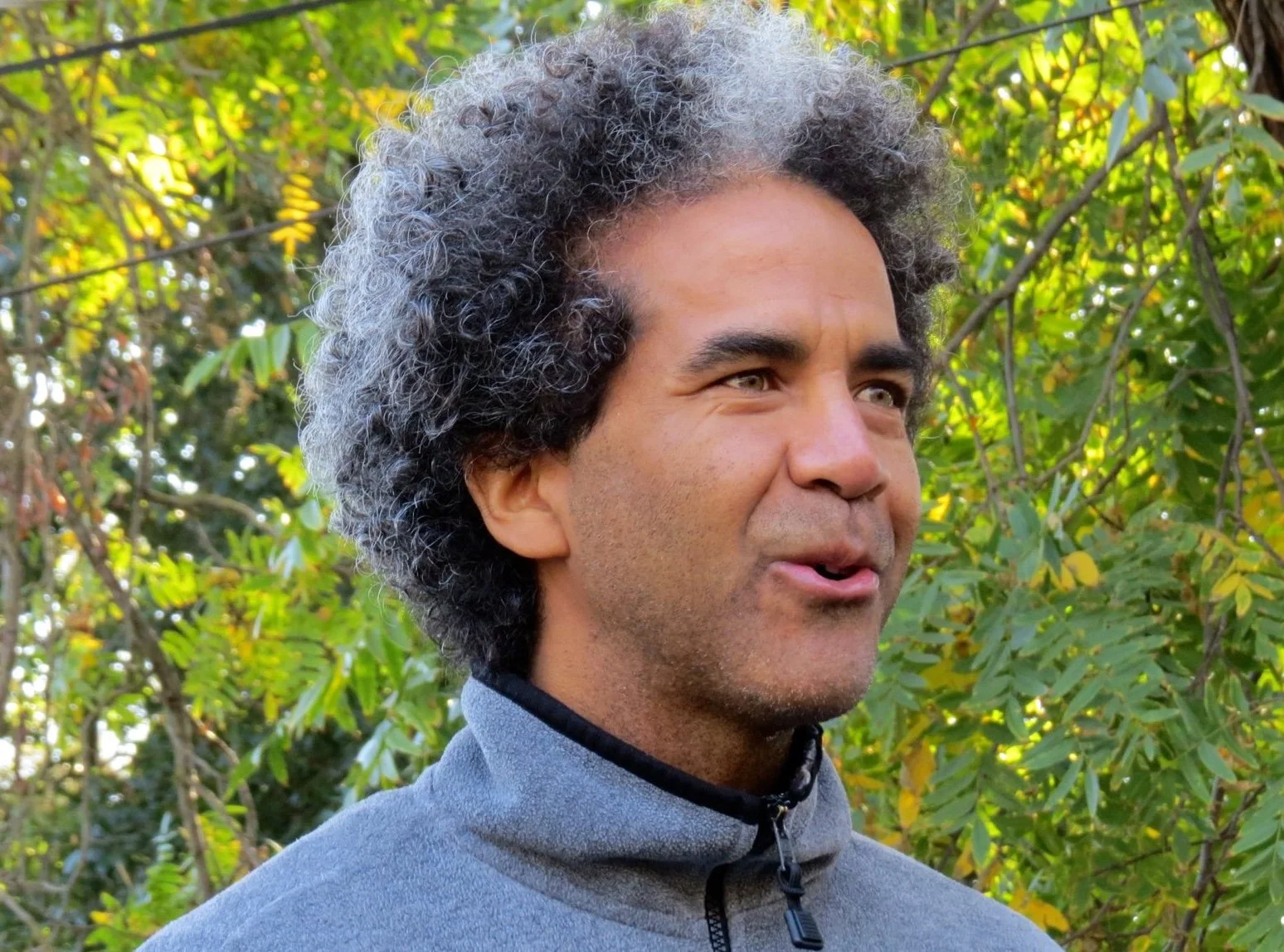
Since 2009, I've been asking people to share their concept of compassion, initially in a notebook and now via video. I create short video compilations that I post on YouTube and other social media sites. — from David’s LinkedIn profile
The “Compassion Guy”
A little bit about me
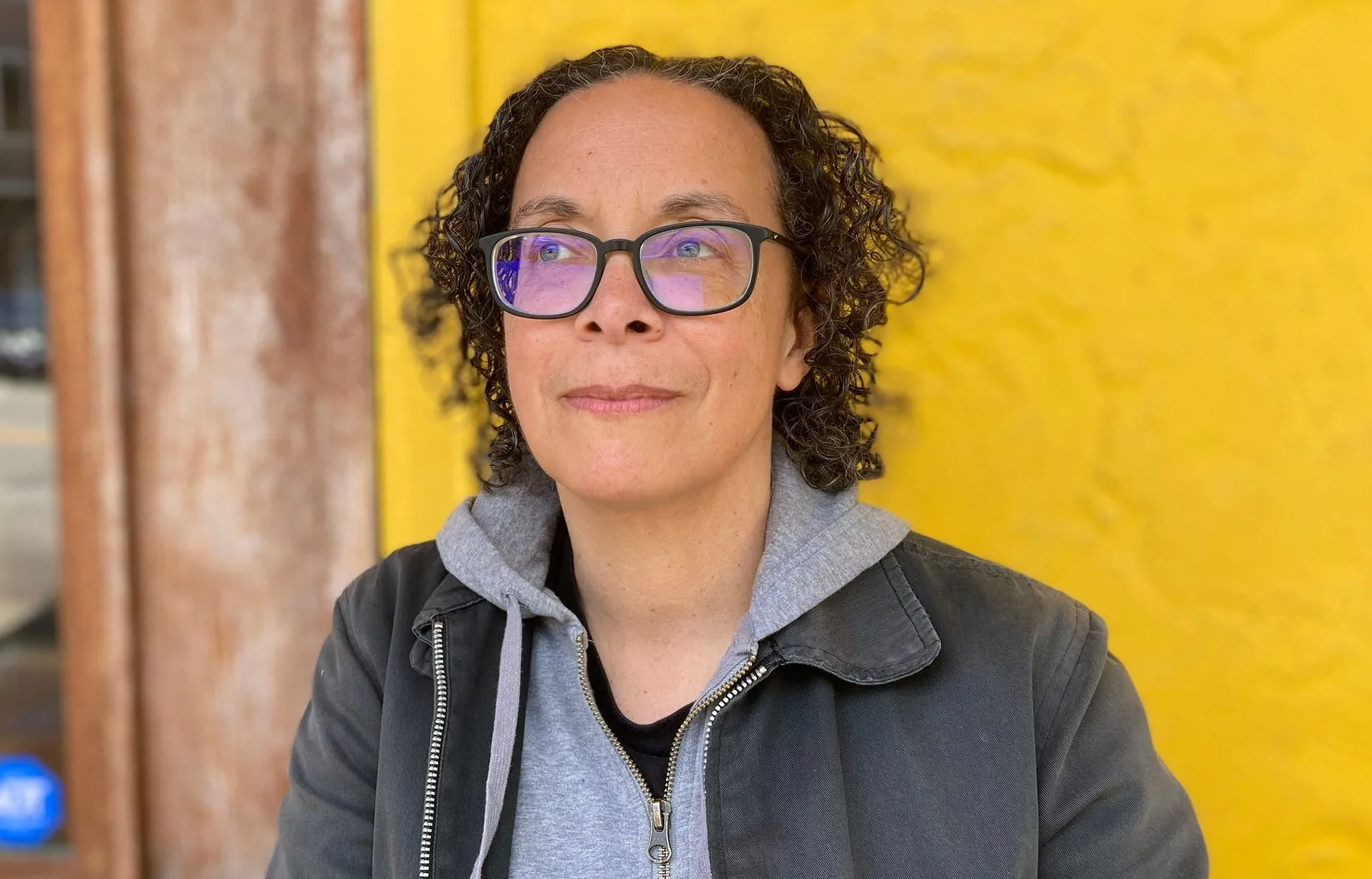
I’m Maria Breaux, a filmmaker, writer, and marketing strategist based in San Francisco. The Compassion Cafe is my effort to continue David’s mission in the ways I know best.
For those who are strangers to me and David, you can do a quick search for “compassion guy” to learn about his murder.
Here, I’ll say that David was many things. He was my brother—I met him soon after his birth. For many years, he was a sibling, son, friend, cousin, nephew, uncle, marathon runner, boyfriend, summer camp counselor, screenwriter, high school teacher, and program manager for at-risk youth.
Ultimately, he was a spiritual leader who guided those who sought his quiet wisdom, seemingly giving them enlightened access to an infinite number of secrets—if only they recognized that they already knew them.
These are the parts of him that existed before he abandoned his identity altogether, dropping the “he,” “I,” and “David.”
He moved to Davis, California in 2009, where he stood on a street corner with a pen and notebook, asking passersby to write down their definition of compassion.
People came to see him as a “street therapist” and The Compassion Guy—an identifier he initially shunned but eventually embraced because it reminded people of compassion—someone they could pour their souls into and in whom they’d always find a willing ear, open mind, and welcoming heart.
Since 2024, I’ve been writing a book on his life and mission. It’s filtered through the lens of our shared upbringing, his relationships with depression and hypothyroidism, and the spiritual traditions for which there are scant examples of Black men finding a supportive community in a tight-knit, mostly White town.
David and I were close. We weathered many storms together. Even so, with every interview with someone who knew him, every page of his diary read, and every email thread pored over, I’m piecing together a journey whose every moment and every breath was devoted to selflessness and a life of purpose.
His email threads include details of his talks about compassion, offers of support to those he gave his address to at the corner, plans for his book and Compassion Tour, and many other actions David took every day to forward his mission.
They’ve brought many discoveries, like his episode of Rodrigo Ojeda-Beck’s American Nobodies, just one example of a project David was eager to participate in, with the understanding that the moving image is a powerful way to share a message.
My interviews with those who knew David as the Compassion Guy consistently depict him as kind, brilliant, and peaceful (his familiar answer to “How are you?”).
“We lost a saint.”
“No one [in our organization] had ever witnessed that kind of presence.”
“I felt a connection to his spirit.”
“I think he was a living saint.”
Albert Einstein wrote these words to Gandhi on his 70th birthday:
Generations to come will scarce believe that such a one as this ever in flesh and blood walked upon this earth.
In a college town in California—and compassionate cities all over the U.S.—a soft-spoken man doggedly pursued his purpose, heeding the calls of angels. His calming presence settled frayed nerves and psyches. His kind smile relieved grief.
As I talk to those he impacted, as I recall his decades of struggle, followed by 14 years of daily actions to make the world more compassionate, I’m connecting the person I thought I knew so well with the embodiment of truth he became. I’m not only finding David, but a source of joy and light that radiates far beyond his physical time “upon this earth.”
Read Corina Knoll’s New York Times piece on David’s life and passing (gift article).